


Australian Standard 2010
The Release of AS/NZ 1754:2010; was the first update of car seat standards; since the creation of the Australian Car Seat Standard in 2004 titled AS/NZ 1754L2004. The 2004 edition of the Australian Standard was an age/ weight based standard. This has many problems associated with it; for starters each child grows at a different rate; and weight is not a good indicator or core strength and stable neck muscles.
This is where the 2010 standard moves away from the age/weight based system; and introduces the torso length measurement / shoulder height measurement. This is similar to the i-size introduced in 2013 for the European standards.
Issues with 2010 Australian Car Seat Standards
The 2010 Australia Standard have a number of issues inherent in them; namely there is no minimum height; from the top of the seat for the shoulder height marker to exit the seat. This means than that cheaper seats; will have the exit shoulder height marker only several cm from the top of the seat; causing the head to be un-protected in the event of an accident.
A second issue; is that there is no maximum height for shoulder height marker; such that; some manufacturers claim to have the tallest booster seat. The 2013 car seat standards set limits so everyone is on a level playing field. Unfortunately many parents; still converse with the age/weight limits and not the shoulder height markers.
| Type of Child Restraint | Min Height of Lower Shoulder Height Marker | Min Height of Middle/Transition Shoulder Height Marker | Min Height/distance of the upper shoulder height marker |
| Type A1 | N/A | N/A | 290mm |
| Type A2 | N/A | N/A | 310mm |
| Type A3 | N/A | N/A | 290mm |
| Type B | 290mm | N/A | 385mm |
| Type A1/B | N/A | 290mm | 386mm |
| Type A2/B | N/A | 310mm | 385mm |
| Type C | N/A | N/A | N/A |
| Type D | 290mm | N/A | 385mm |
| Type E | 360mm | N/A | 145mm |
| Type F (converter) | N/A | N/A | N/A |
| Type F | 360mm | N/A | 155mm |
| Type E with adjustable head restraint | 360mm | N/A | 145mm |
| Type F with adjustable head restraint | 360mm | N/A | 155mm |
| Type B/E | 290mm | 385 mm | 145mm |
| Type B/F | 290mm | 385mm | 155mm |
Australian Standard 2013
On the 19 September 2014; the Australian Car Seat Standard AS 1754:2013 was signed in, and became the new mandatory standard; which seats must comply to. This new Australian car seat standards; introduced a number of new categories of child restraints; which included A4 (extended rear facing), G (extended harnessing) and Isofix as an attachment / installation method.
The Following is the extract from the new 2013 Australian car seat Standard
…..the new Type A4 has been introduced that is suitable for rear facing children from birth to approximately 30 months. This new child restraint designation will have accommodation for a TNO P3 dummy as well requirement dynamic testing using a TNO P3 dummy. Thus the sizing and performance of this new restraint is equivalent to European Group 1 child restraints that offer rearward facing for older children.
Due to problems with booster seats and families placing small children into a booster seat. a new classification TYPE G has been introduced with the note.
….Introduction of requirements for child restraints with in-built harnesses for children up to 8 years of age, known as Type G, which are similar to the Type B requirements but cater for older children. As the load on the child restraint anchorage fitting may be too high the requirements include a limit on the dynamic test loads on the child restraint’s top tether strap to avoid overloading the vehicle child restraint anchorage.
The Shoulder height markers have been updated with the following Note
Minor revisions to the shoulder height marker system have been included with revised minimum heights for transition markers of combination Type A and Type B child restraints with the intent to have the occupant face rearward longer. In addition there is a revision to the height of the lower shoulder height marker for child restraints utilizing Type E and Type F designation. The lower height markers for Type B, Type D, Type E, Type F and the combination of these designations now have a requirement the position of these lower markers to be located on the child restraint with a tolerance of 10mm. The positioning of other height markers has been refined to limit how high the markers can be located. Other minor changes have been made to the wording on one of the height marker labels.
Car Seat Standards – Shoulder Height Markers
- A2 min height marker 35 cm
- A2 nominal height marker 37cm
- A4 Max shoulder height marker 39 cm
- Forward Facing Type B Max exit marker 43 cm normally combined with A2 or A4
- Extended harnessing Type G Max Shoulder height Marker 51 cm
- Booster Type E Entry Marker 38 to 45 cm
- Type E exit shoulder height marker 50 to 52 cm
| Type of child restraint / combination of types | Height of the lower shoulder height marker label | Height range of the middle/transition shoulder height marker label | Height of the Upper shoulder height marker label | Height distance of the Upper shoulder height marker label from the top of the backrest/ top of the headrest whichever is higher |
| Type A1 | N/A | N/A | 290-320 | 125 |
| Type A2 | N/A | N/A | 320-350 | 125 |
| Type A3 | N/A | N/A | 290-320 | 125 |
| Type A4 | N/A | N/A | 360-390 | 135 |
| Type A1/B | N/A | 290-320 | 405-435 | 135 |
| Type A2/B | N/A | 320-350 | 405-435 | 135 |
| Type A4/B | N/A | Label 3 320-350 Label 7 360-390 | 405-435 | 135 |
| Type A1, Type B and Type E | N/A | Label 3 290-320 Label 6 405-435 | 475 minimum | 145 |
| Type A2, Type B and Type E | N/A | Label 3 320-350 Label 6 405-435 | 475 minimum | 145 |
| Type A1 and Type G | N/A | 290-320 | 490-510 | 145 |
| Type A2 and Type G | N/A | 320-350 | 490-510 | 145 |
| Type A4 / G | N/A | Label 3 320-350 Label 7 360-390 | 490-510 | 145 |
| Type B | 290 | N/A | 405-435 | 135 |
| Type C1, C2 | N/A | N/A | N/A | N/A |
| Type D | 290 | N/A | 405-435 | 135 |
| Type E | 385 | N/A | 475 minimum | 145 |
| Type H converter | N/A | N/A | N/A | N/A |
| Type F | 385 | N/A | 530 minimum | 155mm |
| Type E with adjustable head restraint | 385 | N/A | 475 minimum | 145mm |
| Type with adjustable head restraint | 385 | N/A | 530 minimum | 155mm |
| Type B/E | 290 | 405-435 | 475 minimum | 145mm |
| Type B/F | 290 | 405-435 | 530 minimum | 155mm |
| Type G | 290 | N/A | 490-510 | 145mm |
Type A Car Seat Standard
The A type Child restraint is a restraint which is intended for newborns and child who cannot sit up without assistance and the restraint has built-in 6 point harness, where the child faces the rear of the car. The Law stipulates that children must be rear facing until they are at least 6 months, however many parents feel 6 months is too young to forward face and keep their children with extended rear facing car seats (crash tested for and average 30 month child). The avergae time car keep children rear facing is roughly 18 months.
The A type child restraint is further divided into 3 seperate categories these are A1, A2 and A4 type baby car seats.
Additionally an A type baby car seat can be a Baby Capsule / Carrier (Only Rear facing) or a convertible car seat (changes from rear facing to forward facing)
Car Seat Types Explained
Type B Car Seat Standard
For children who have outgrown their rear facing restraint; up until at least 4 years of age, with a built-in 6 point harness where the child faces the front of the car. Type B in the Australian Standard.
NB. Forward Facing restraints, Type B, fit most children up to at least 4 years of age. A new forward-facing restraint with an inbuilt harness, Type G, is now available which can be used up to approximately 8 years of age.
There is only one car seat for infants that is defined as only a B type child restraint such as the maxi cosi complete air (now no longer manufactured).
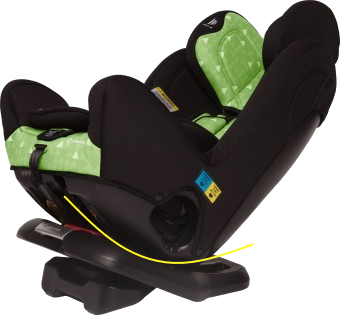
It is important to recognise that the Type B child restraint; is a forward facing child restraint; and you should not face your child forward before they are at least 14 months of age and passed the first shoulder height marker.
Examples of Type A/B car seats include the Britax Millenia, Britax Bfirst, the Infa-Secure quattro and Luxi.
In most cases; the type B child restraint with also be a type A child restraint making the convertible car seat a type A2/B or A4/B restraint. Two of the most popular A/B child restraints are the Maxi Cosi Hera and the Maxi Cosi Euro, these car seats were recalled in 2015 due to a number of issues, of primary concerns was that Maxi Cosi tried to portray the number of faulty cases was limited and finally admitted there was a fault with the cover design, read more about the maxi cosi recall online.
Type E Car Seat Standard
For children who have outgrown their forward facing restraint up to at least 8-10 years of age, to position the lap and sash belts safely. Use of an add-on harness is not recommended. Type E in the Australian Standard.
Booster Cushions are boosters without the back and side wings that protect the child’s head. They are no longer sold in stores and it is not recommended to use booster cushions as they do not provide any side protection or back support. In cars such as the volvo xc60 and xc90; the Booster cushions can still be used.
Boosters seats come in two flavours; Tethered and Un-Tethered. Tethering refers to the booster seat having an upper tether strap connected to an anchor point.
Untethered booster seats are recommended only for occasional use and are intended for grandparents / carers who do not normally have the children in their car. It should be noted it is better to use a un-tethered booster than a Booster cushion.
Type G Car Seat Standard
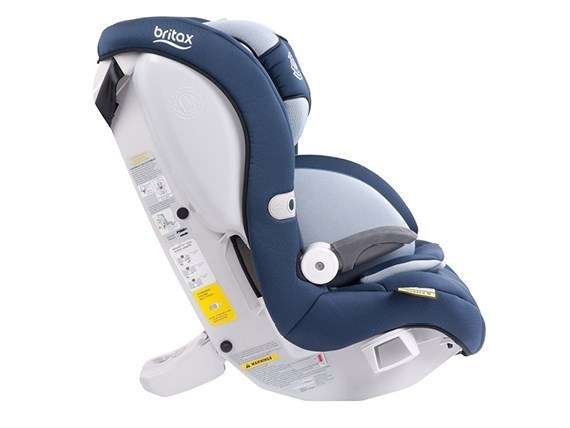
The G Type Child restraint was introduced into the Australian Car Seat Standards in September 2014. The restraint is a forward facing car seat from 6 months of age to approximately 8 years of age.
As with all forward facing child restraints; you should not turn your child from rear facing to forward facing until they are of the correct height to turn around.
The G type car seat is a safer alternative to any type of booster seat; as your child will be using the internal harness from 6 months to 8 years of age. With the type G car seat; you do not need to worry about your child being too short for a booster seat. One of the biggest problems with booster seats; is that parents may move their children into the booster seat too early. A consequence of moving a child into a booster too early; is the sash part of the seat belt; may come into close contact with the neck.
Examples of the type G car seat, include the Britax Maxi Guard, the Infa Secure Emerge, and the Babylove EZYgrow.
ISOFIX type Car seat standard
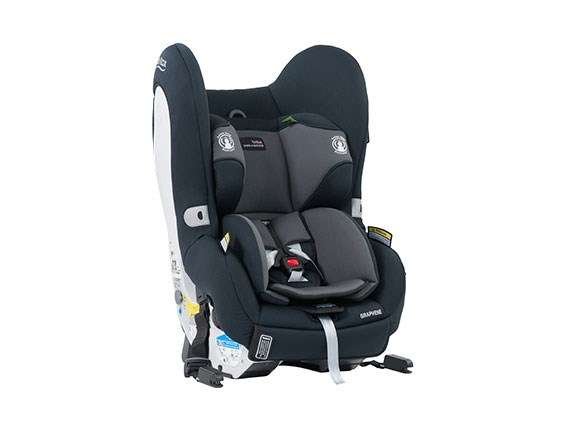
With the introduction of the 2012 car seat standard; Isofix is introduced. ISOFIX is a installation method; that connects your carseat directly to a purposely built 6mm bar located in your rear seat.
ISOFIX compatible child restraints are available in Type, A and combination A/B only. Isofix carseat will have a top tether strap; and must be capable of being installed using either seat belt installation or ISOFIX compatible installation.
Read out FAQ about understanding isofix and is isofix safety.
Is backless booster seat illegal in Australia?
yes it is illegal and these seats are no longer sold in baby stores as there is no head or side protection
Which car seat for each age?
read the article above for clarification
